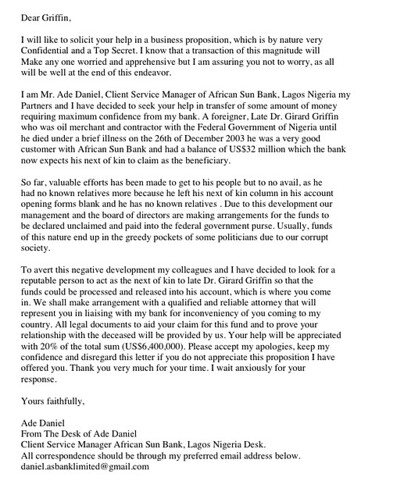
Nigeria’s financial regulators and industry leaders have called for urgent measures to enhance digital payment security, citing a surge in cyber fraud cases that threaten the country’s financial stability. According to recent reports, the number of fraudulent transactions has increased by over 30% in the past year, with many incidents involving unauthorized access to personal banking information.
The Nigerian Financial Intelligence Unit (NFIU) has warned that the rapid growth of digital transactions has created new vulnerabilities, particularly in the informal sector where many users lack basic cybersecurity knowledge. A recent study by the Central Bank of Nigeria (CBN) revealed that nearly 45% of digital payment users have experienced at least one fraudulent transaction.
Experts emphasize that the lack of robust digital payment infrastructure has allowed cybercriminals to exploit gaps in the system. “Many users still rely on unsecured platforms and outdated authentication methods,” said Dr. Adebayo Adeyemi, a cybersecurity analyst. “This creates a perfect environment for fraud.”
The push for stronger digital payment systems comes amid growing concerns about the impact of financial crime on economic growth. The CBN has already launched initiatives to promote secure digital transactions, but many experts argue that more needs to be done to protect both individuals and businesses.
The situation highlights the urgent need for a coordinated effort between government agencies, financial institutions, and technology providers to build a more secure digital payment ecosystem. As Nigeria continues to expand its digital economy, the challenge of balancing innovation with security remains a critical priority.