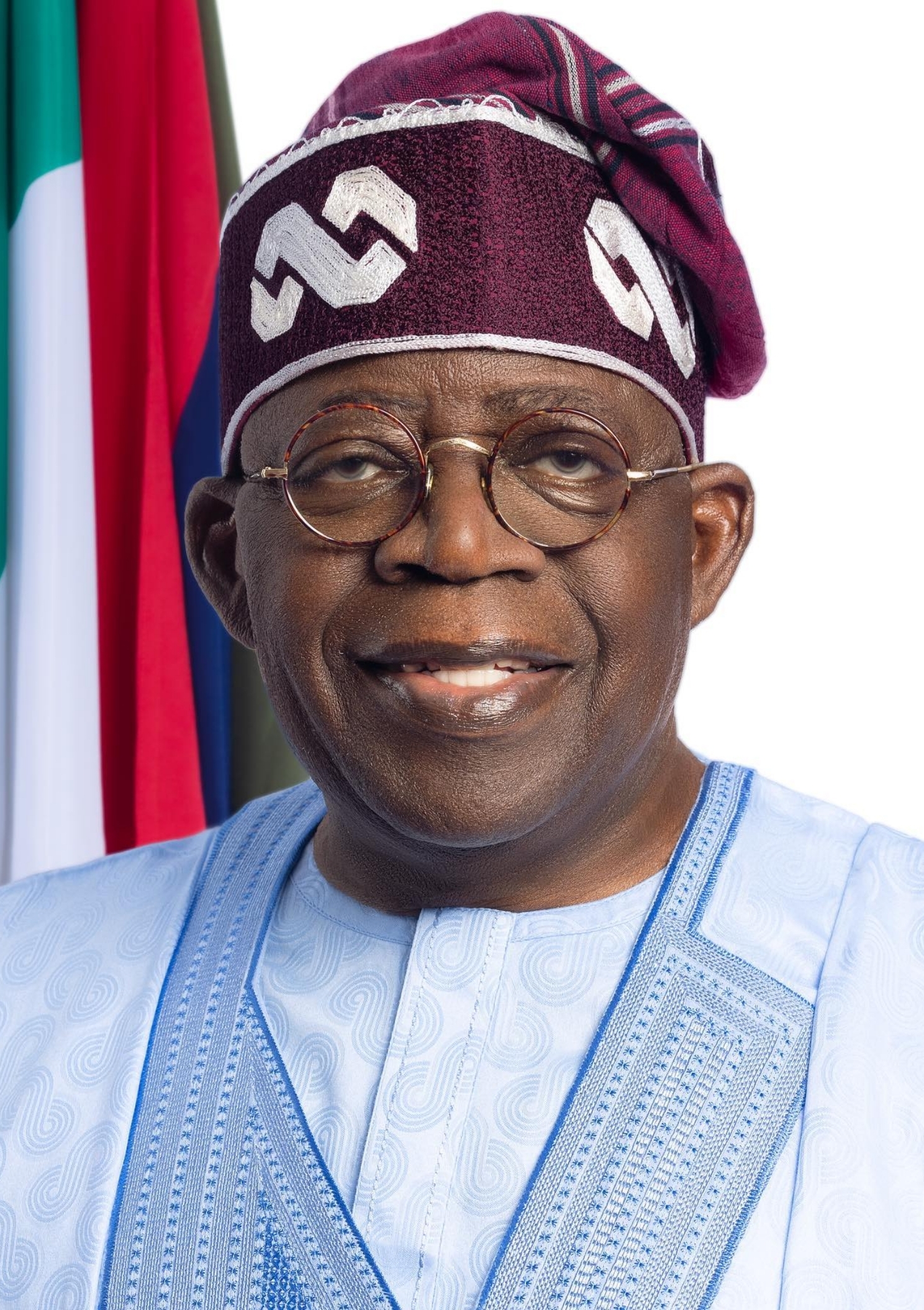
President Bola Tinubu’s re-election in 2027 is being framed as crucial for Nigeria’s economic and infrastructure development by opposition figures. Governorship candidates from the Democratic Leadership Alliance (DLA) emphasized this during a news conference in Abuja. Mr. Aboki Bayonga, chairman of the forum and Taraba governorship candidate, stated the re-election would ensure continuity in development projects. Meanwhile, critics from the Peoples Redemption Party accused Tinubu of failing to address national challenges, citing his refusal to campaign in all states.
Support for Tinubu’s re-election has also come from within his party. Minister of Innovation Science and Technology, Kingsley Udeh, urged Nigerians to back Tinubu’s bid, citing his commitment to industrialization. Udeh highlighted Tinubu’s policies aimed at boosting manufacturing and technology sectors. This stance aligns with Tinubu’s own remarks about the need for national unity and focused governance.
Tinubu’s administration has faced mixed reactions. While some praise his economic reforms and infrastructure projects, others argue his leadership has not adequately addressed inflation or unemployment. His recent comments about not traveling to every state for campaigning have drawn criticism from opposition leaders. Despite these challenges, Tinubu remains a central figure in upcoming political discussions.
The 2027 election is shaping up as a pivotal moment for Nigeria’s political landscape. With both support and skepticism surrounding Tinubu’s leadership, the outcome could influence the nation’s economic trajectory for years to come.