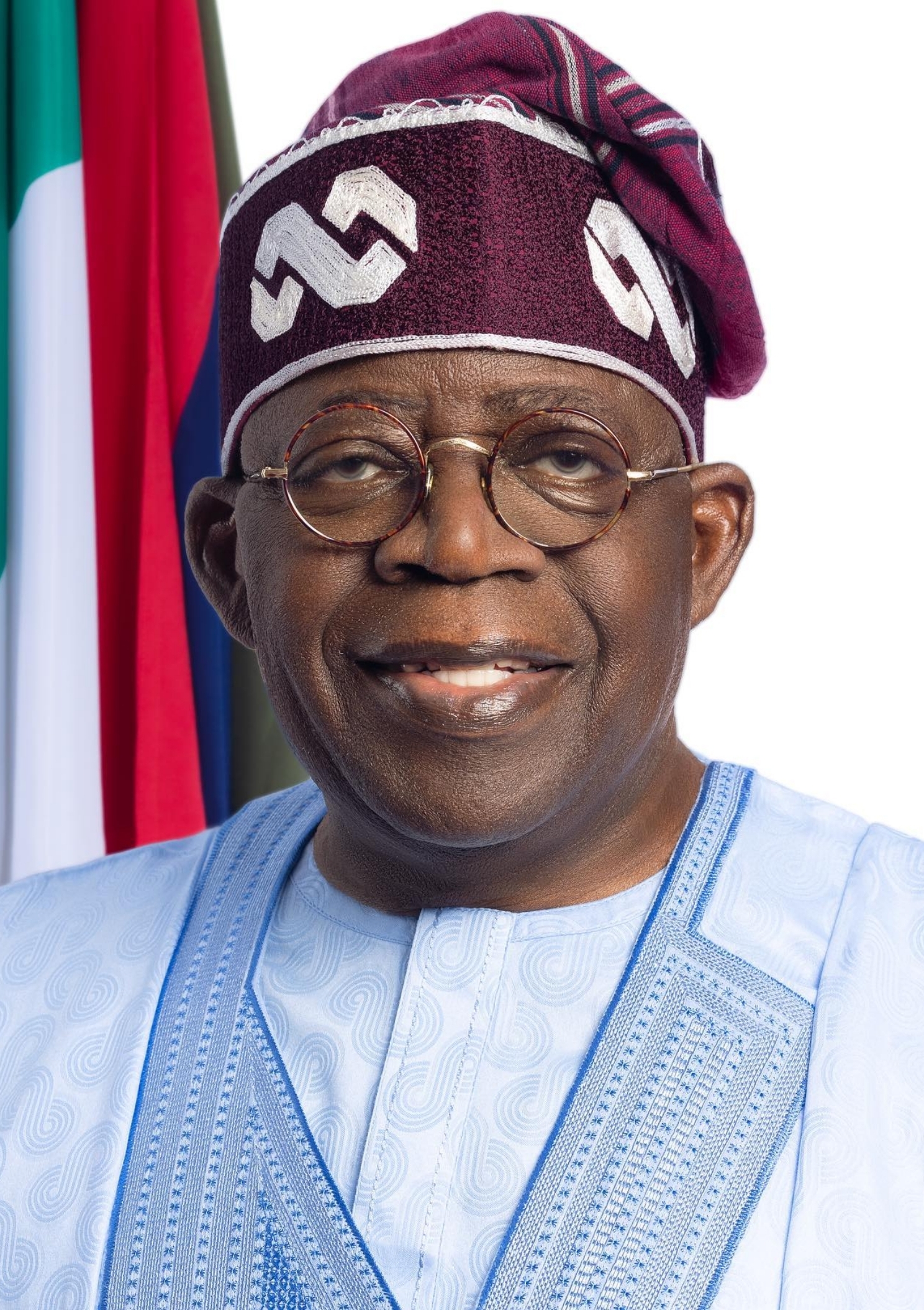
Tinubu has announced a campaign strategy that focuses on only 12 states, a decision that has sparked controversy among Nigerian political analysts and citizens. The plan, which aims to concentrate resources on key electoral battlegrounds, has been criticized for potentially marginalizing other regions. According to reports, the strategy is part of a broader effort to optimize campaign efficiency.
The decision has drawn sharp reactions from opposition figures and civil society groups. Some argue that the approach risks alienating voters in less prioritized states, while others question the fairness of such a targeted strategy. The Nigerian Electoral Commission has not yet commented on the matter, but the debate has intensified on social media platforms.
This strategy marks a shift from previous election campaigns, where broader outreach was more common. Tinubu's team has defended the approach, stating that it is based on data analysis and voter behavior trends. The focus on 12 states includes areas with high population density and historical political influence.
The 2027 general elections are set to take place in early 2027, and this campaign strategy is one of the first major announcements from major political figures. The move has already influenced the tone of political discourse, with many observers noting that it reflects a growing trend toward strategic, data-driven campaigning.
The debate over Tinubu's approach highlights the evolving nature of Nigerian politics, where traditional methods are increasingly being replaced by more calculated, resource-efficient strategies. As the election approaches, the impact of this decision on voter sentiment and electoral outcomes remains to be seen.