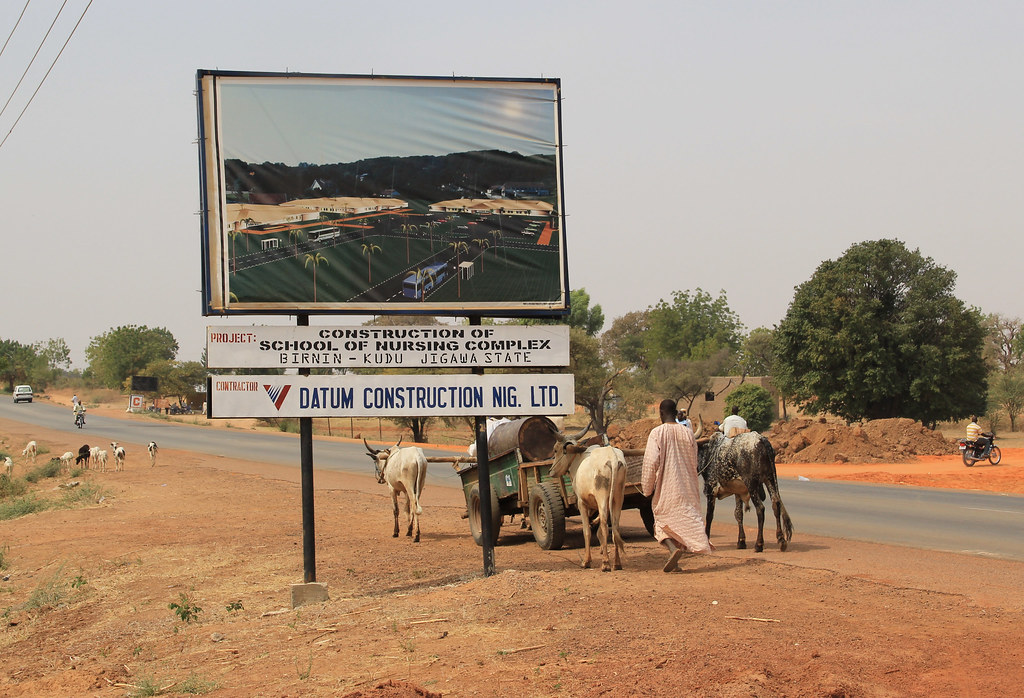
Nigeria’s state governments are accumulating unpaid bills, creating financial strain on local businesses. Contractors are facing delayed payments, which disrupt cash flow and operational stability. The issue has intensified in recent months, with some businesses reporting significant liquidity challenges.
The unpaid obligations, estimated in the billions of naira, are owed to various contractors involved in infrastructure and public services. These delays have forced some companies to seek alternative financing, increasing their debt levels. A construction firm based in Lagos reported that it has not received payments for over six months, affecting its ability to fund ongoing projects.
This situation reflects broader fiscal challenges in Nigeria. State governments, which rely heavily on federal transfers, often struggle to meet their financial commitments. The problem has worsened due to reduced federal allocations and increased spending on public services. Experts warn that the growing unpaid debt could lead to a decline in private sector investment and hinder economic growth.