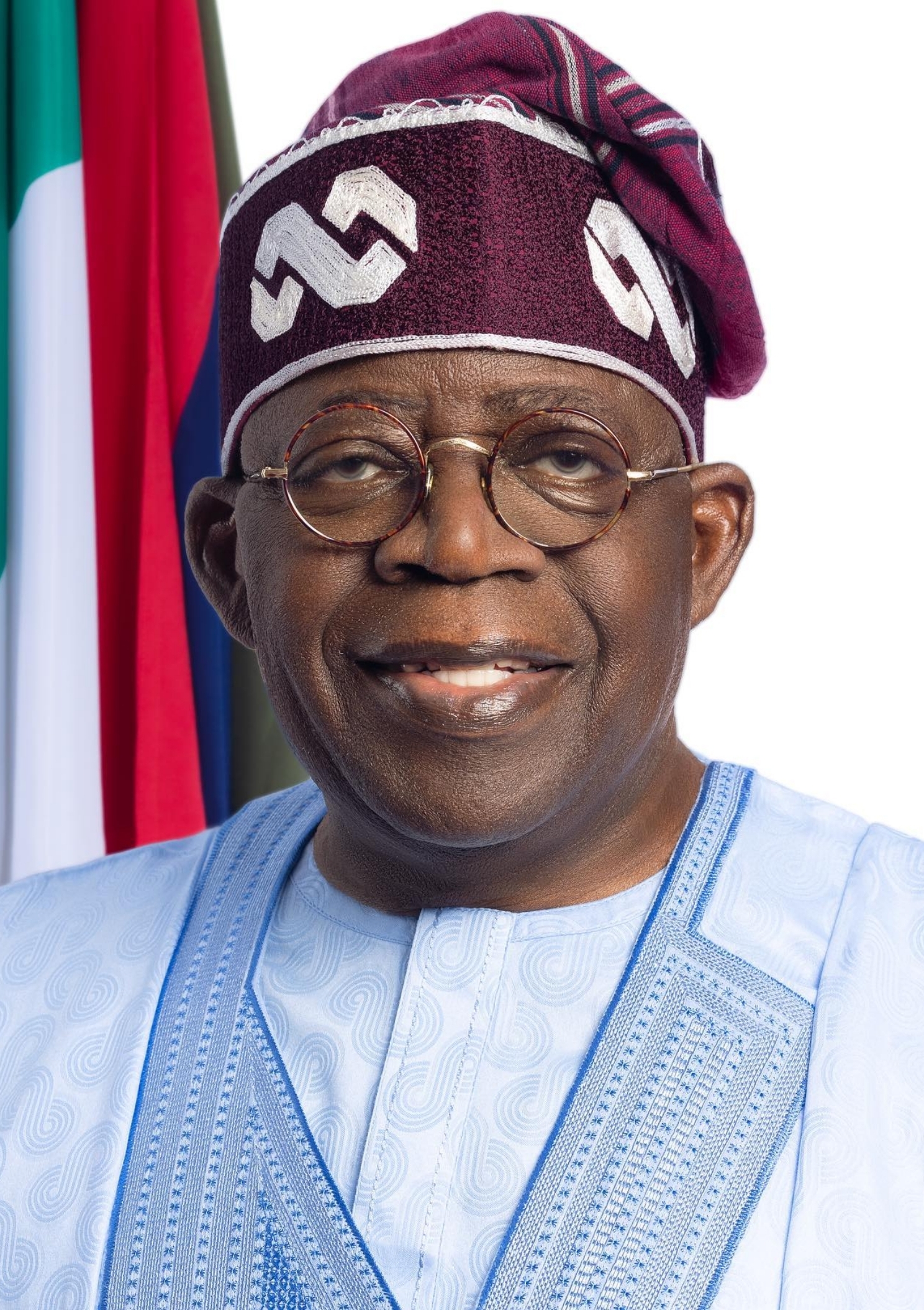
President Bola Tinubu has faced mounting pressure as Nigerians continue to demand fulfillment of his campaign promises, particularly regarding electricity access and fuel subsidies. Despite repeated assurances, many citizens remain dissatisfied with the current state of infrastructure and economic policies.
Tinubu has consistently denied any intention to reintroduce fuel subsidies, calling out critics as liars. However, the African Democratic Congress has publicly stated that Nigerians are still waiting for the promised improvements in electricity supply. The administration's failure to deliver on these key pledges has fueled public frustration and political criticism.
In addition to economic concerns, Tinubu's administration has come under scrutiny for its handling of national challenges. A civic group has called for his removal in the 2027 elections, accusing the government of worsening poverty, insecurity, and corruption. The Movement for Fundamental Change has warned that the country cannot continue under the current leadership.
Tinubu has also emphasized the need for long-term infrastructure projects that benefit future generations, rather than short-term gains. During a recent visit to Abuja, he reiterated that government should prioritize national development over personal enjoyment. This stance, however, has not quelled the growing discontent among the populace.
The pressure on Tinubu continues to mount as both domestic and international observers monitor the administration's ability to meet its commitments. With the 2027 elections approaching, the political landscape remains tense, and the president's ability to address public grievances will be crucial in shaping his legacy.