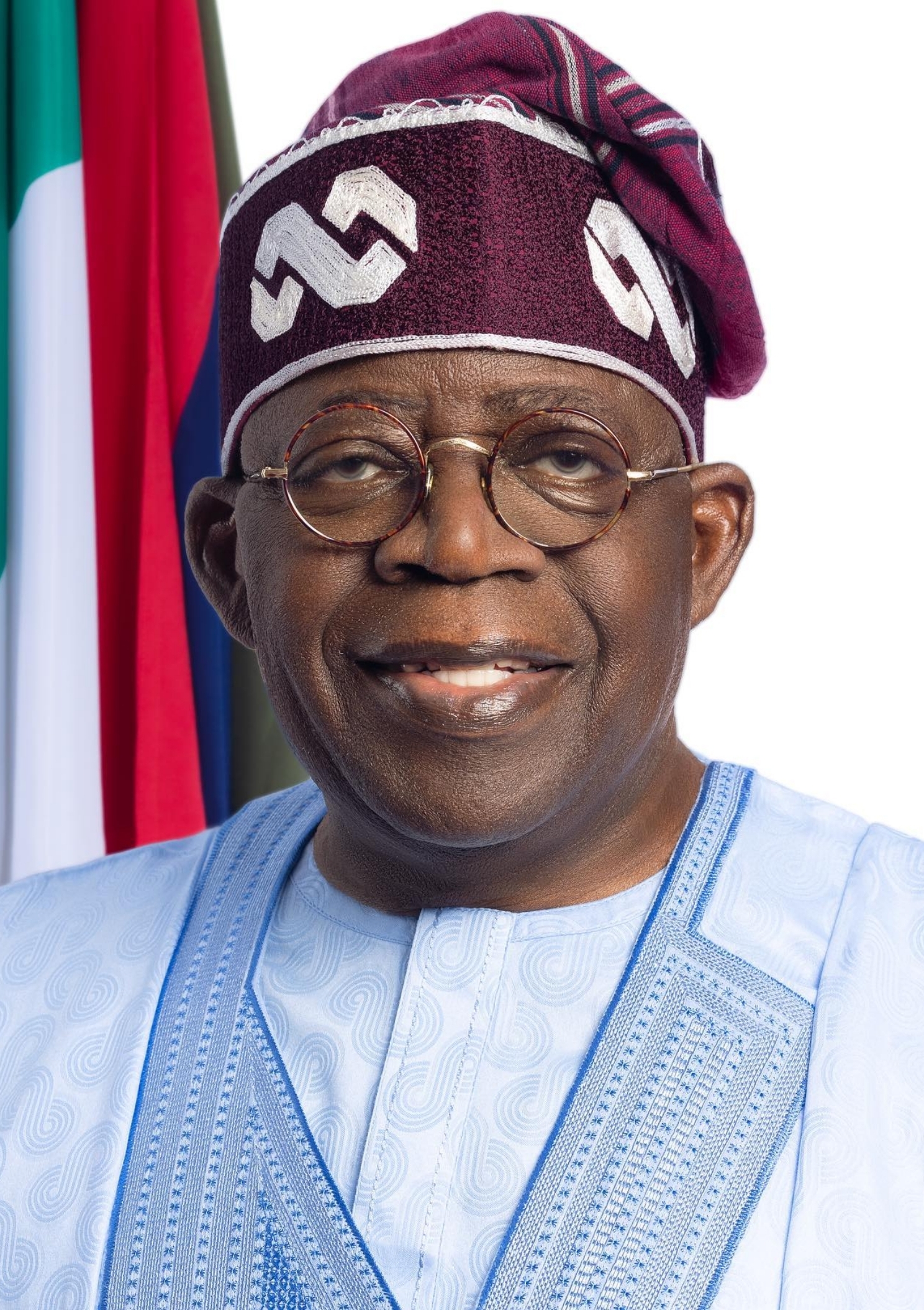
President Bola Tinubu performed Umrah in Makkah, Saudi Arabia, and prayed for sustainable peace, national unity, and stability in Nigeria. The pilgrimage, which took place in October 2026, included a public prayer session where Tinubu expressed gratitude to Almighty Allah and reflected on the country’s challenges. His visit followed months of public debate over Nigeria’s economic policies, particularly the government’s strategy of borrowing to fund infrastructure projects.
Tinubu defended the borrowing strategy during a speech, stating that the funds would expand opportunities for future generations. He emphasized that the debt service consumes 65% of the country’s revenue, a figure that has drawn criticism from opposition leaders and international observers. Despite the financial strain, Tinubu argued that the investments were necessary for long-term growth and development.
The pilgrimage also sparked controversy. Opposition figures, including presidential candidate Omoyele Sowore, criticized Tinubu and several governors for seeking divine guidance abroad while Nigeria faces economic and social challenges. Sowore accused the leaders of being “godless people” for prioritizing personal faith over national issues. Tinubu’s Umrah visit, however, was seen by some as a symbolic effort to promote national unity and spiritual renewal.
Tinubu’s political standing remains strong, with recent endorsements from state chapters of his ruling party. In Osun State, the APC received five defectors from the PDP, signaling continued support for his leadership. As the 2027 general election approaches, his focus on both religious and economic matters reflects a broader strategy to consolidate power and address public concerns.