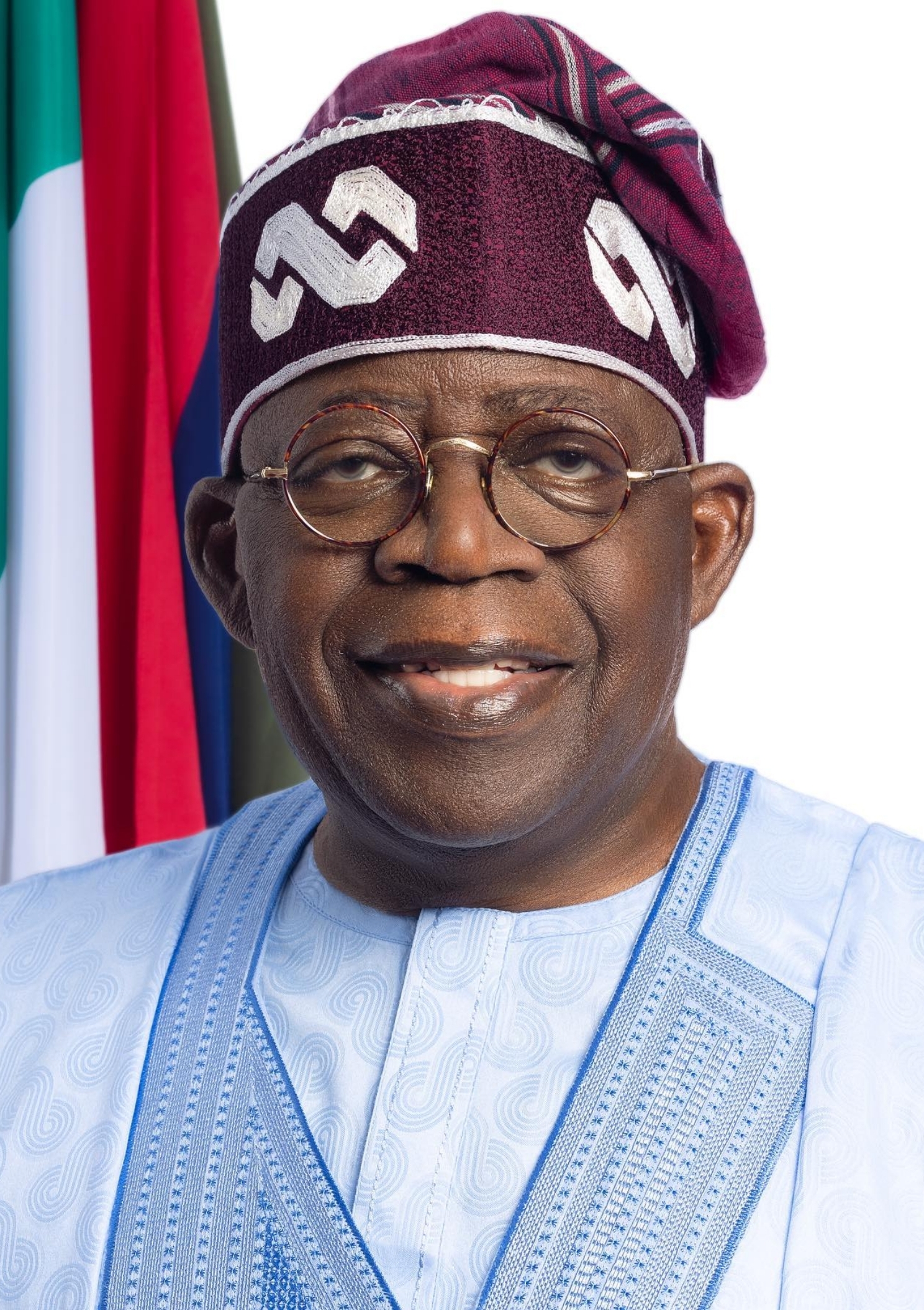
President Bola Ahmed Tinubu left Nigeria for Saudi Arabia to perform Umrah, drawing criticism from opposition leaders who accuse him of abandoning the country during critical times. Tinubu's departure has intensified political tensions, with critics arguing that his absence undermines efforts to address economic instability and security concerns.
The opposition party urged Tinubu to remain in Nigeria and focus on resolving economic hardships and public grievances. They compared his decision to the actions of former leaders, suggesting it reflects a lack of commitment to national priorities. Meanwhile, Tinubu's administration defended the trip as a spiritual necessity, emphasizing its role in seeking divine guidance for the nation's progress.
Tinubu's absence coincides with ongoing security challenges in regions like Benue, where the crisis has drawn international attention. Analysts note that his absence may weaken public trust in his leadership during a period of economic and social unrest. Despite these concerns, Tinubu's government maintains that the trip is essential for maintaining morale and stability.
The situation highlights growing divisions within Nigerian politics, with critics arguing that leadership decisions must prioritize national interests over personal or religious obligations. As the debate continues, the government faces pressure to demonstrate tangible progress on key issues affecting the population.