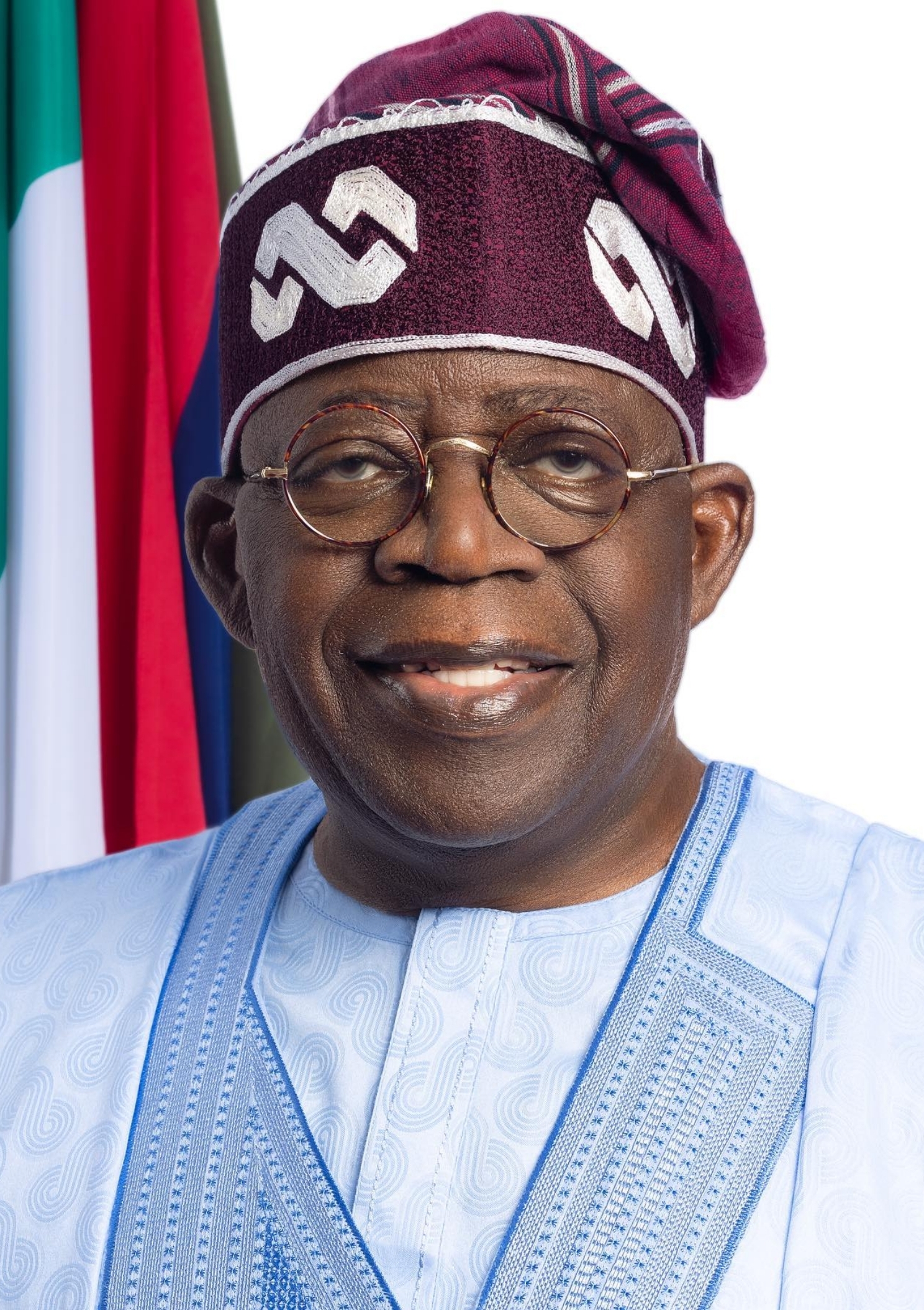
President Bola Tinubu announced that Nigeria’s non-oil sector now contributes 96% of the country’s GDP. This marks a significant shift in the nation’s economic strategy. The president cited non-oil exports reaching $6 billion, a record high. External reserves have increased to $55 billion, providing over 14 months of import cover.
Tinubu emphasized that Nigeria has moved from economic stabilization to shared prosperity. This transition is part of broader efforts to diversify the economy away from oil dependence. The government has prioritized boosting non-oil industries such as agriculture, manufacturing, and services.
The economic transformation follows years of challenges, including oil price volatility and structural weaknesses. Tinubu’s administration has implemented policies to attract foreign investment and improve infrastructure. These measures aim to create sustainable growth and reduce reliance on oil revenues.
The non-oil sector’s growth is seen as a key step toward achieving the government’s target of a $1 trillion economy by 2030. Officials argue that this progress demonstrates the effectiveness of economic reforms. However, challenges remain, including inflation and unemployment.
The minister of information has urged Nigerians to support Tinubu’s re-election in 2027, citing the progress made in economic recovery. The government continues to focus on long-term stability and growth.