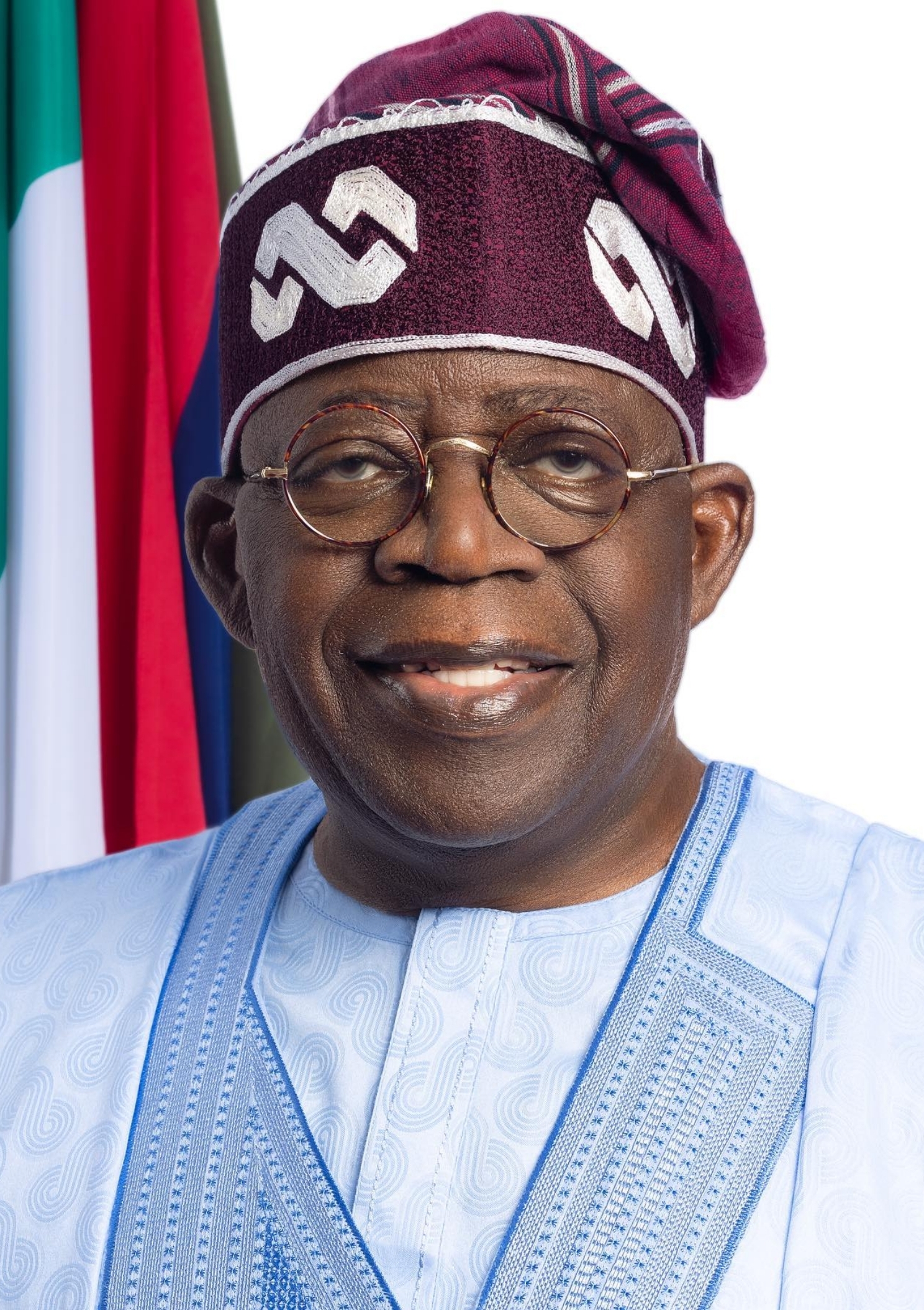
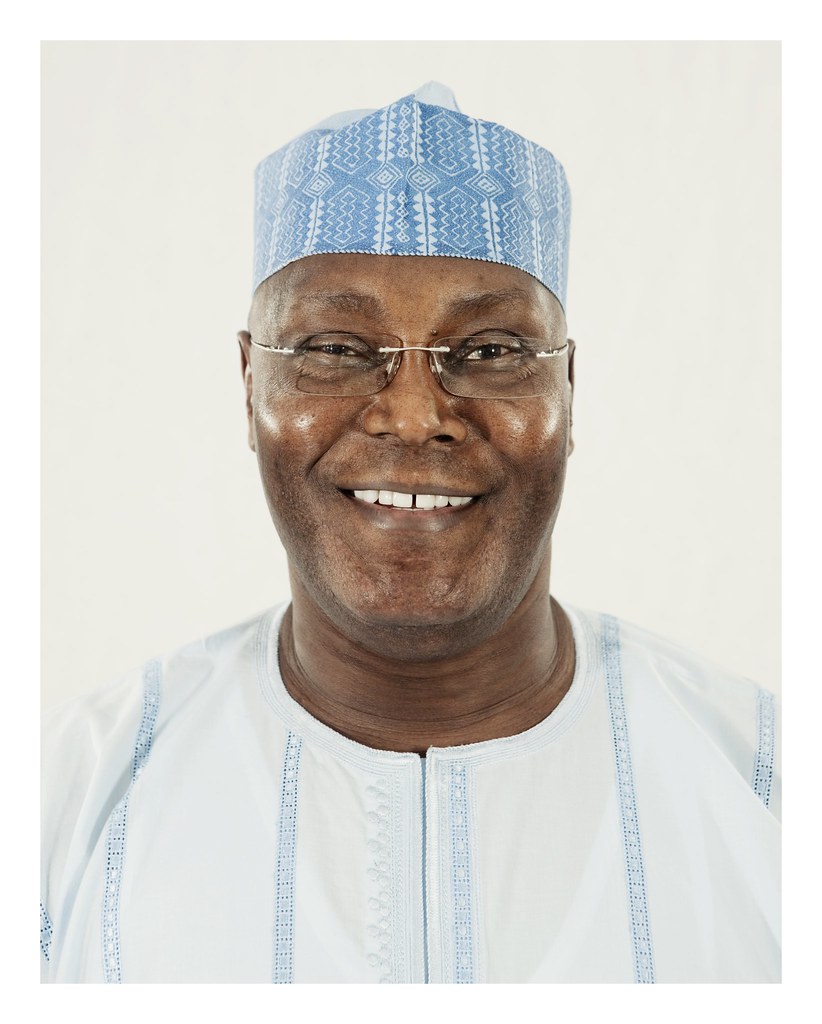
The 2027 presidential election in Nigeria has become a focal point of political tension as major opposition parties struggle to present a unified candidate. The All Progressives Congress (APC), currently in power, faces challenges from two main opposition groups, which have failed to form a strong coalition. Despite efforts to consolidate support, these parties remain divided, unable to agree on a single presidential candidate capable of challenging the APC’s dominance.
The political stalemate has deepened as opposition leaders continue to debate strategies and alliances. Reports indicate that internal disagreements over leadership and policy priorities have hindered progress. Meanwhile, the APC has maintained its grip on power, with no immediate signs of a shift in the political landscape. The lack of a unified opposition candidate has raised concerns about the likelihood of a competitive election, with many analysts predicting a repeat of the 2019 scenario where the ruling party secured victory without significant opposition challenge.
This situation reflects a broader trend of political fragmentation in Nigeria. Since the 2019 election, opposition parties have struggled to overcome historical divisions and build a cohesive movement. The APC’s ability to maintain power despite opposition efforts underscores the challenges faced by political challengers in a system where coalition-building remains difficult. As the 2027 election approaches, the political landscape remains uncertain, with the outcome likely to be shaped by the ability of opposition parties to resolve their internal conflicts.