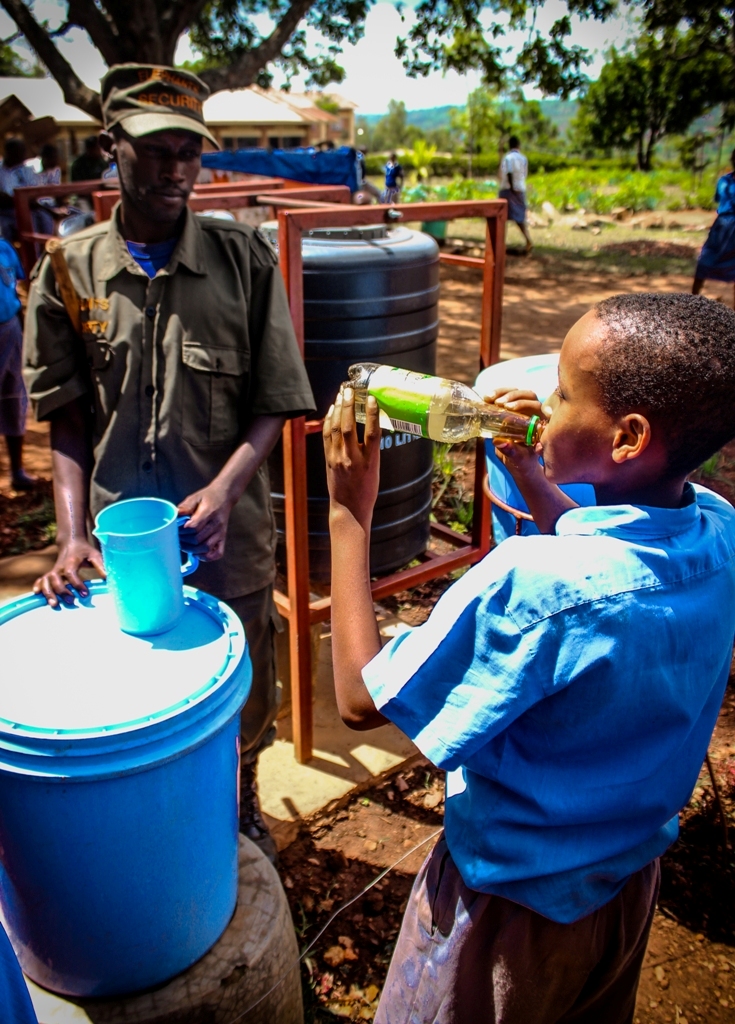
Nearly 29 million Nigerian pupils lack access to clean drinking water at school, according to a recent report. The issue highlights a major challenge in educational infrastructure across the country. The study, conducted by local authorities, found that many schools, particularly in rural areas, do not have reliable water sources.
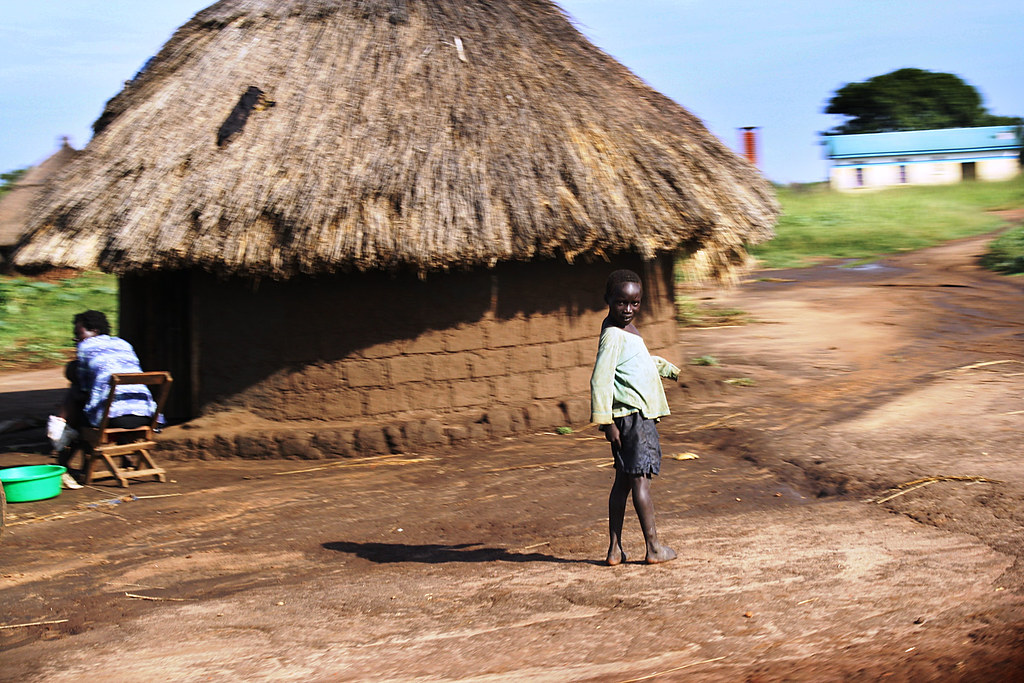
Schools in northern regions face the most severe shortages, with some students walking several kilometers to collect water. In some cases, students are forced to use contaminated water, increasing the risk of waterborne diseases. The lack of clean water also affects hygiene practices, leading to higher absenteeism and lower academic performance.
This problem is not new, but recent data shows a worsening situation. Government officials have acknowledged the issue but say funding remains a key obstacle. International aid organizations have called for urgent action, emphasizing the link between clean water and child health. The situation reflects broader challenges in public infrastructure and resource allocation in Nigeria.