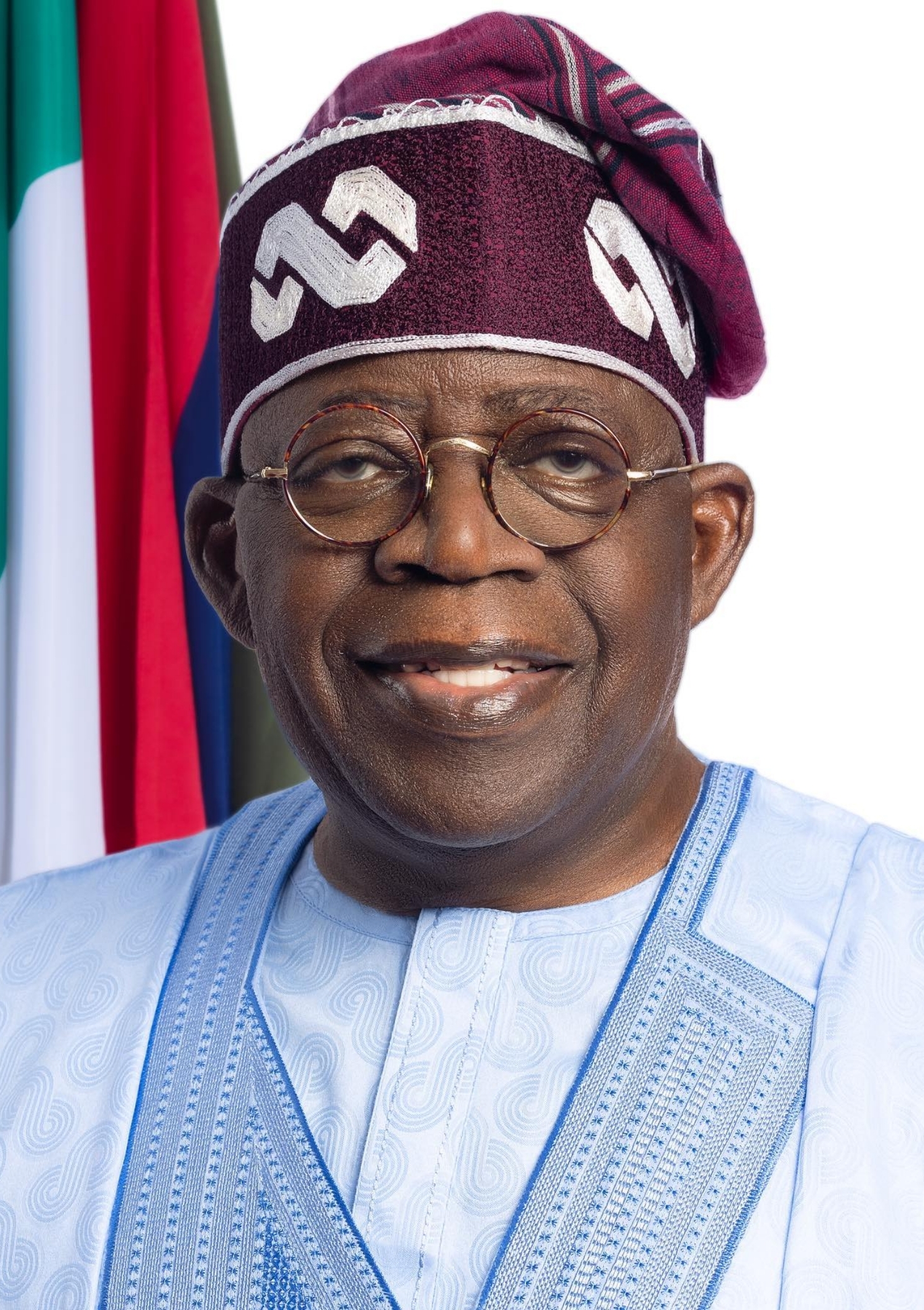
President Tinubu delivered his Independence Day address on September 1st, focusing on affordability challenges rather than addressing Nigeria’s ongoing insecurity crisis. The speech, delivered via national television, emphasized economic stability and the need for policy reforms to improve living standards. Tinubu highlighted new statistical data showing rising inflation and the impact on everyday citizens, particularly in food and energy costs.
The address was seen as a strategic choice, as recent reports indicate that security concerns remain a top priority for many Nigerians. Analysts note that Tinubu’s decision to avoid direct mention of the security situation may be an effort to maintain public morale and focus on economic recovery. His speech included calls for increased public-private partnerships and investment in infrastructure to stimulate growth.
This approach contrasts with previous Independence Day addresses, where leaders have often addressed national security and political tensions. Tinubu’s speech was accompanied by a series of policy announcements aimed at reducing the cost of essential goods. The government plans to implement targeted subsidies and tax reforms to ease the financial burden on households.
The choice to sidestep the security issue comes amid rising public frustration over crime and unrest in key regions. While Tinubu’s administration has taken steps to improve security, critics argue that the issue remains under-addressed. The speech was well-received by economic experts but drew mixed reactions from political analysts, some of whom believe the government is avoiding a difficult conversation.