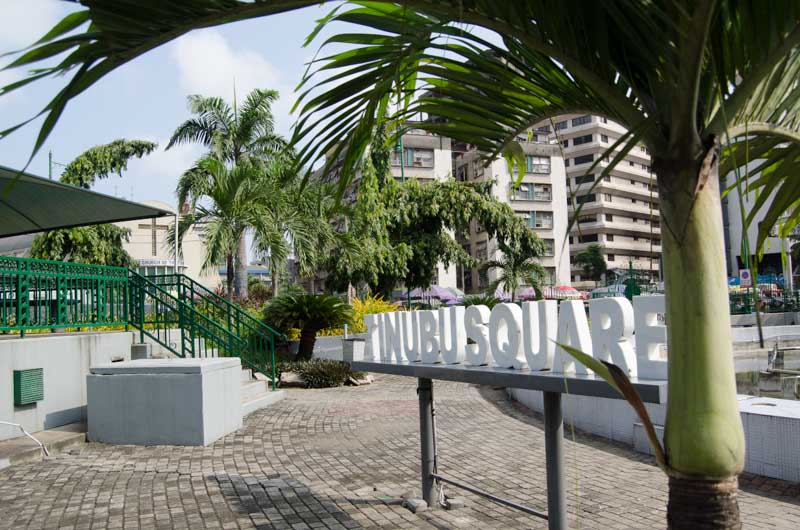
President Bola Ahmed Tinubu has drawn criticism for failing to deliver on key promises made during his first term, including a consistent electricity supply and an end to estimated billing. In December 2022, Tinubu stated he would not seek re-election if these issues were not resolved. Despite modifying his pledge, the challenges persist, leading to public and political scrutiny.
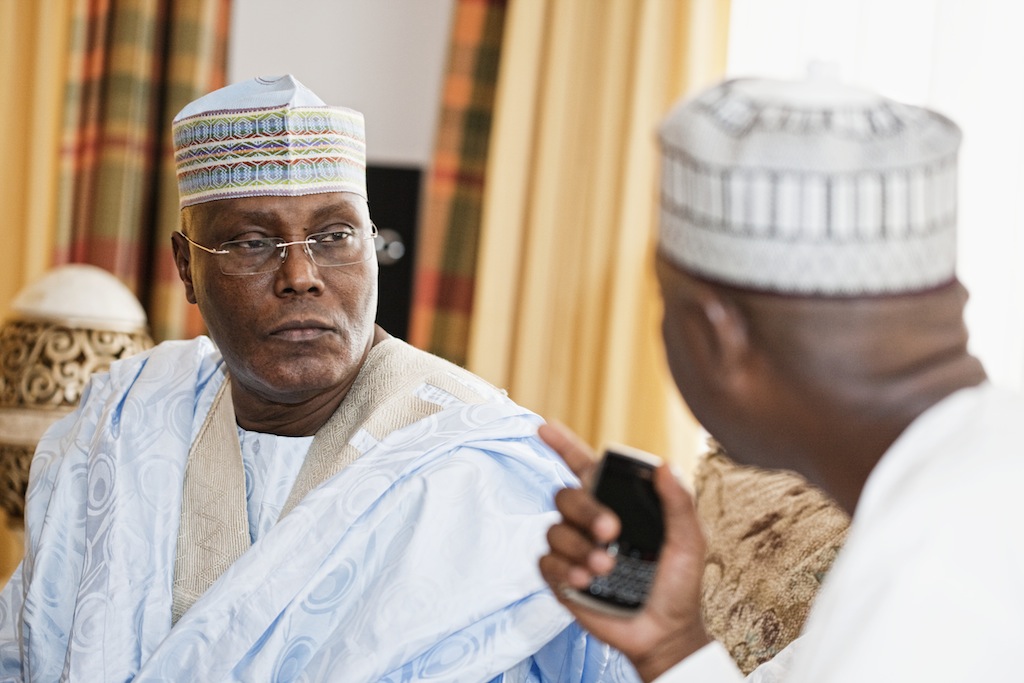
Tinubu addressed the nation on October 1, 2026, asserting that Nigeria had “corrected its course” and urged citizens to maintain faith and hope. However, reports indicate that electricity shortages and billing disputes remain unresolved. Opposition figures, including former presidential candidate Atiku Abubakar, have called for Tinubu’s removal, arguing that his administration has not met its commitments.
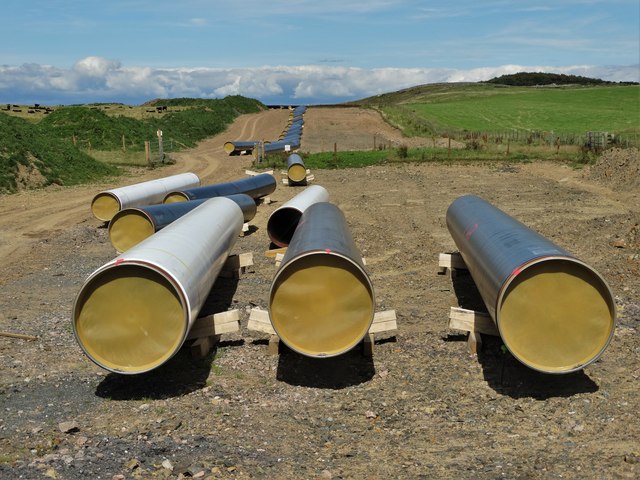
The controversy has intensified with support from local leaders, such as the Olu of Agege Kingdom, who have endorsed Tinubu’s re-election bid. Yet, this backing has not quelled criticism. Analysts note that while Tinubu has initiated infrastructure projects, such as the Otakikpo Onshore Crude Oil Export Terminal, these efforts have not addressed the core grievances of citizens.
Tinubu’s administration faces mounting pressure as the political landscape shifts. With upcoming elections on the horizon, the unfulfilled promises could influence voter sentiment. The situation underscores the challenges of governance in a country grappling with economic and infrastructural challenges.