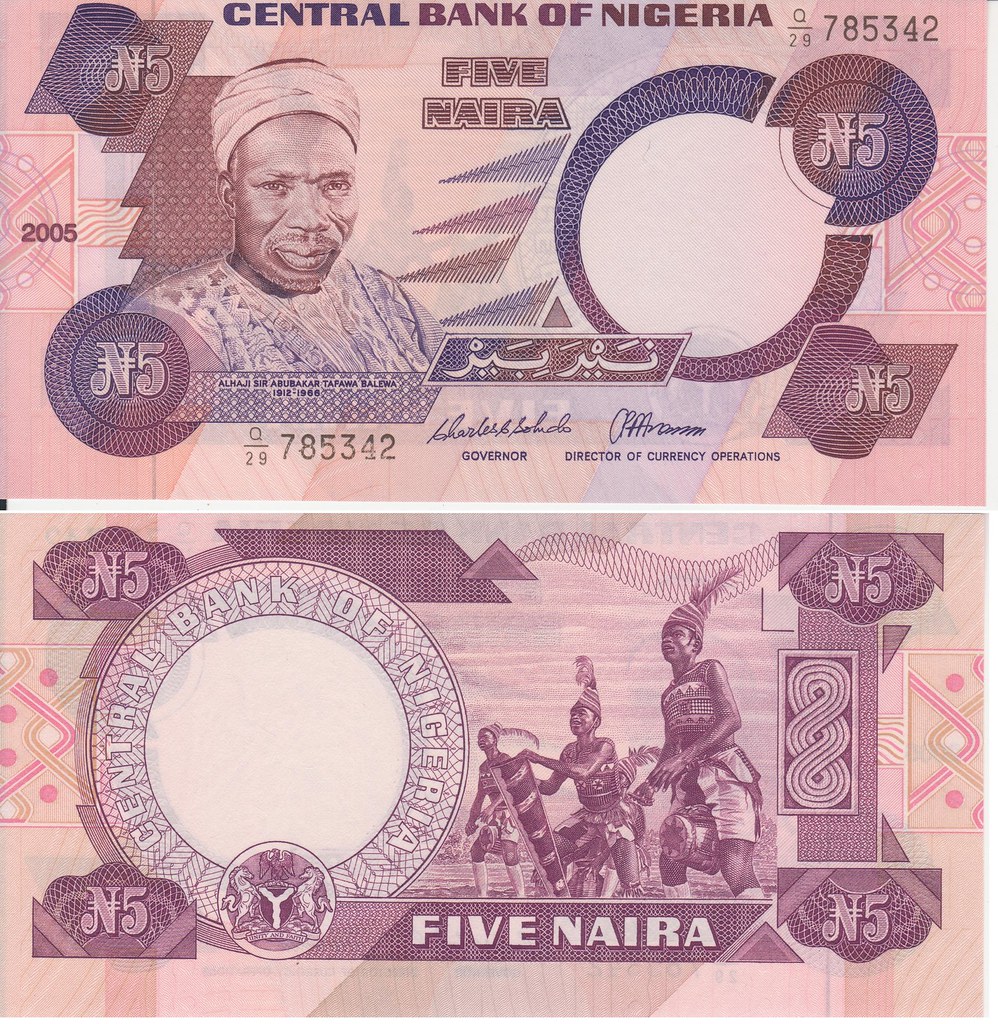
Nigeria’s oil earnings have increased, contributing to a rise in foreign exchange reserves, according to recent reports. The country’s oil sector has seen improved performance, with higher crude oil prices and increased production volumes. This has led to a strengthening of the nation’s foreign currency reserves, which are now at their highest levels in months.
The Central Bank of Nigeria (CBN) has been closely monitoring the situation, as the improved reserves could potentially lead to a more stable exchange rate. However, the naira remains weak against the US dollar, with the parallel market rate still significantly higher than the official rate. Analysts suggest that while the windfall from oil sales could help stabilize the currency, the immediate impact on the dollar’s price is limited.
Nigeria has long struggled with currency depreciation and inflation, partly due to reliance on oil exports. The recent gains in oil earnings are part of a broader effort to diversify the economy and reduce the impact of global oil price fluctuations. However, the government has not yet announced any immediate measures to directly lower the cost of the dollar, despite the improved financial position.
The situation reflects ongoing challenges in Nigeria’s economic policy, where oil revenues play a central role. While the improved reserves offer some optimism, the persistence of high dollar rates highlights the need for structural reforms to address long-term economic stability.