Nigeria’s government has announced plans to attract $30 billion in investment for its gas sector, as domestic production has surpassed 2 billion cubic feet per day. The milestone, according to officials, marks a significant step toward energy independence and economic diversification.
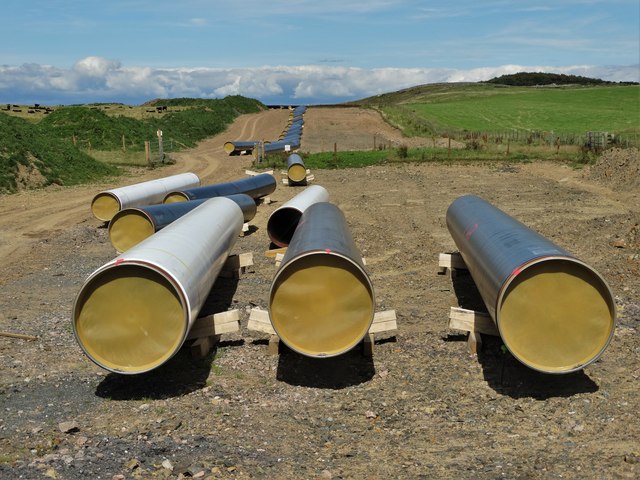
The increase in gas output is attributed to improved infrastructure and exploration activities in the country’s oil-rich regions. Government data shows that production has steadily risen over the past year, driven by both state-owned and private sector operations. This growth has positioned Nigeria as a key player in regional energy markets, with potential for further expansion.
Nigeria has long struggled with energy shortages and reliance on imported fuels. The government has been pushing for greater investment in its natural resources to reduce dependency on oil and boost economic growth. Recent reforms in the energy sector, including tax incentives and regulatory changes, have aimed to attract foreign capital and improve operational efficiency.
The $30 billion investment target is part of a broader strategy to modernize Nigeria’s energy infrastructure and increase domestic consumption. Officials emphasize that the goal is to create jobs, enhance energy security, and support industrial development. However, challenges such as political instability and regulatory hurdles remain.
The government’s focus on gas reflects a shift in policy toward sustainable development and economic resilience. With continued investment and policy support, Nigeria aims to solidify its position as a regional energy leader.