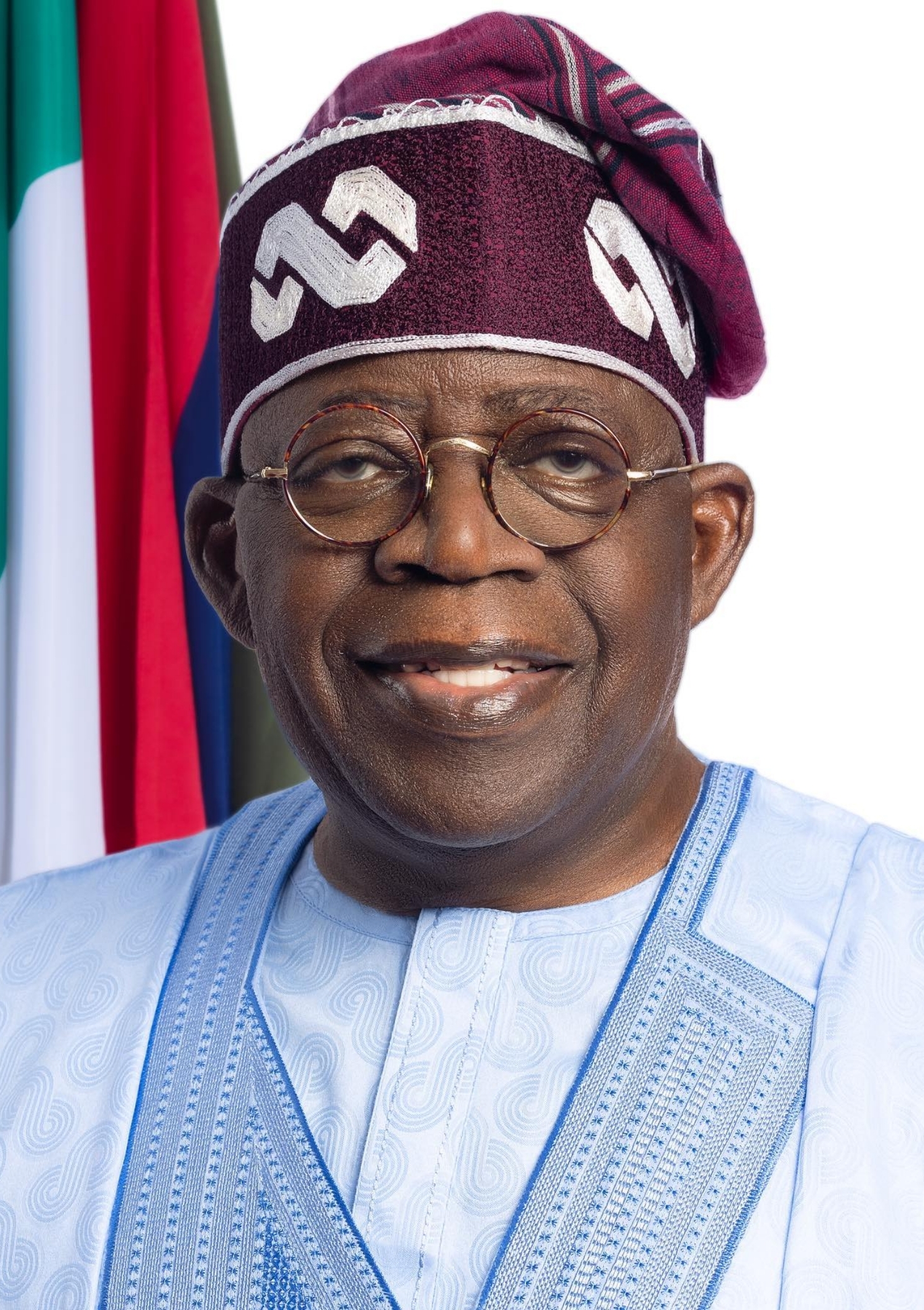
President Bola Tinubu announced in Abuja that Nigeria has significantly reduced its reliance on crude oil revenue, marking a key shift in the country’s economic strategy. During a speech at the Nigerian Upstream Petroleum Regulatory Commission’s fifth anniversary event, Tinubu emphasized the government’s efforts to build a more diversified economy. The administration is now prioritizing agriculture, manufacturing, digital industries, and creative sectors to reduce vulnerability to global oil price fluctuations.
Tinubu stated that the reduction in oil dependency is part of a broader plan to transition toward sustainable economic growth. The government is investing in infrastructure and supporting local industries to create jobs and boost productivity. Officials have also highlighted the importance of expanding gas supply for power and industrial use as a step toward energy independence.
This policy shift follows years of economic challenges, including declining oil prices and the impact of global sanctions. Tinubu’s administration has introduced measures to attract foreign investment and promote innovation in key sectors. The focus on diversification aims to ensure long-term stability and reduce the country’s exposure to external shocks.
The move reflects a growing recognition that Nigeria’s economic future depends on more than oil. By investing in alternative industries, the government hopes to create a resilient economy capable of withstanding global uncertainties. The success of this transition will depend on sustained policy implementation and private sector engagement.