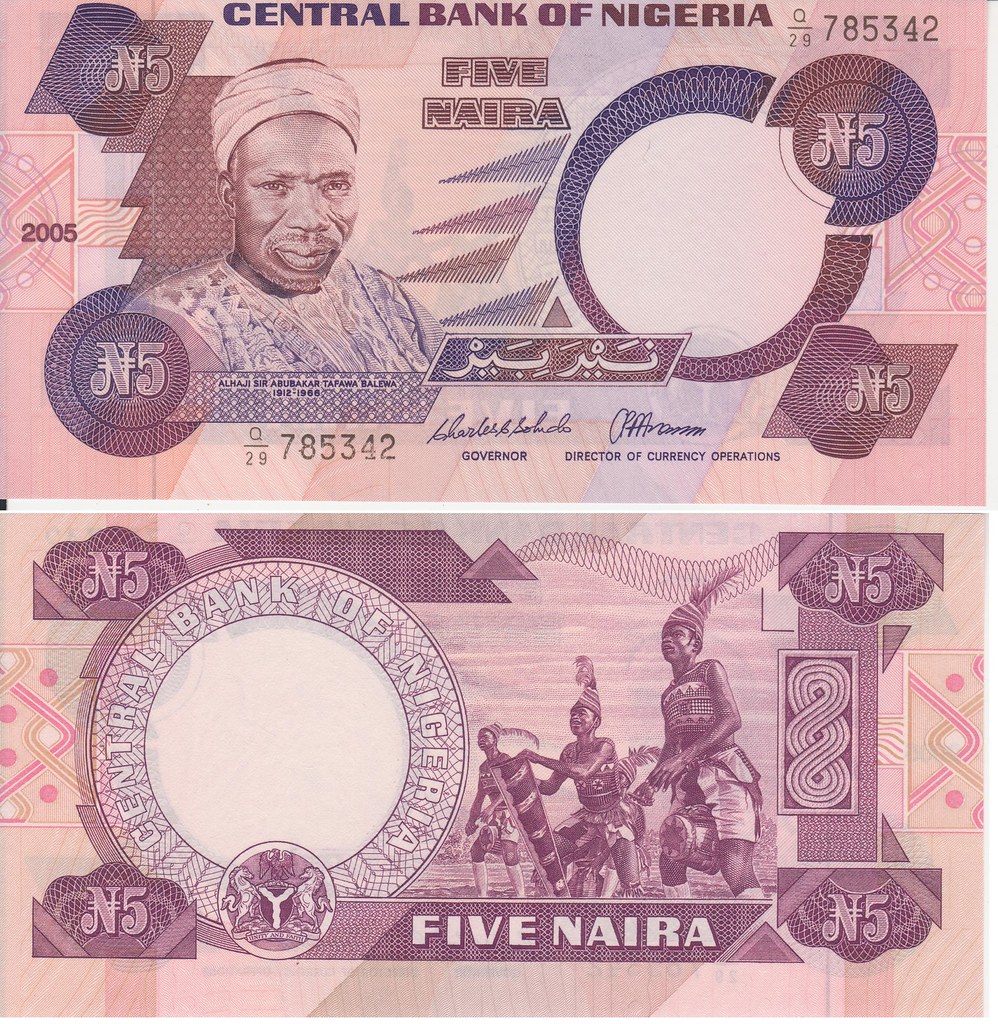
Nigeria's headline inflation fell to a six-year low in August, according to data released by the National Bureau of Statistics. The annual inflation rate dropped to 14.35%, down from 15.25% in July. This marks the lowest level since February 2018. The Central Bank of Nigeria is expected to meet next week to decide on monetary policy, with the possibility of reducing interest rates to stimulate economic growth.
The decline in inflation follows a series of measures aimed at stabilizing the economy, including currency reforms and fiscal adjustments. The National Bureau of Statistics reported that food prices remained stable, contributing to the overall easing of inflationary pressures. However, non-food inflation continued to rise, driven by increased costs for transportation and services.
Nigeria has faced persistent inflationary pressures in recent years, exacerbated by currency devaluation and supply chain disruptions. The current rate of 14.35% is still above the Central Bank's target range of 10-15%, but the downward trend suggests improved economic conditions. Analysts believe the upcoming meeting could see a reduction in the benchmark interest rate, which would make borrowing cheaper for businesses and consumers. The decision will be closely watched by investors and economists, as it could signal a shift in the country's economic strategy.