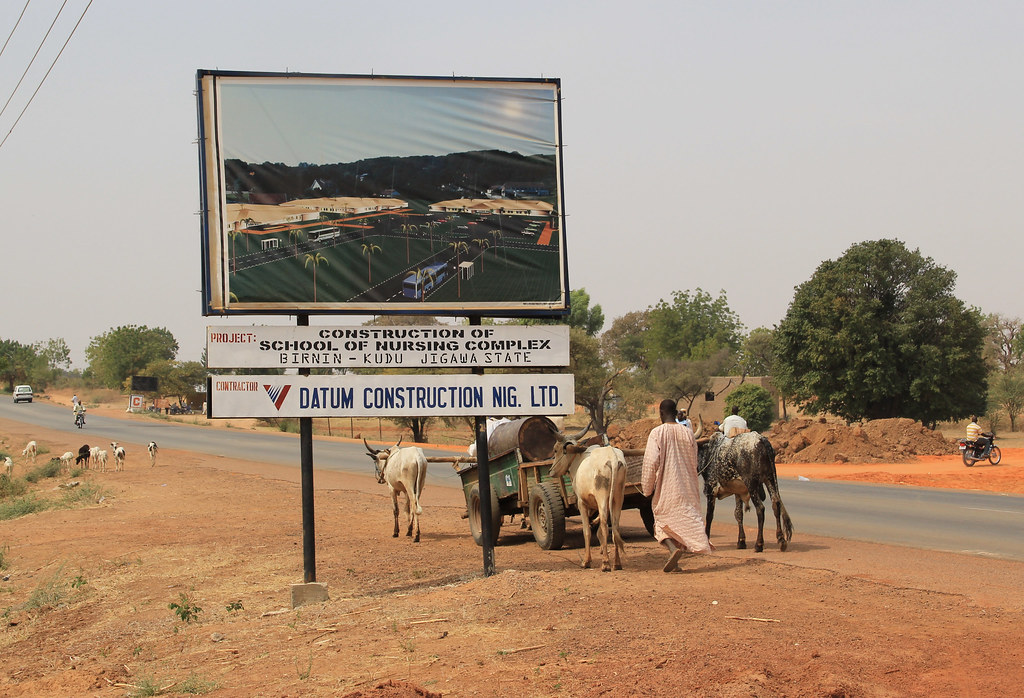
A farmer in Kaduna loaded ripe tomatoes onto a lorry on Monday, heading to local markets. The harvest season has begun in the northern state, but key infrastructure for processing and distributing farm produce remains absent.
The Nigerian government’s $538 million farm plan, announced in 2023, aims to boost agricultural productivity and reduce food imports. However, reports indicate that critical components of the plan, including processing factories and storage facilities, are still not operational.
In Kaduna, farmers rely on informal markets and small-scale distribution networks. The lack of modern processing units means much of the harvest is sold raw, limiting value addition and exposing crops to spoilage.
The plan was meant to create jobs and improve food security. Yet, as harvests increase, the absence of factories has raised concerns among local producers.
This situation reflects broader challenges in implementing large-scale agricultural reforms. Despite funding, the plan has not yet translated into tangible infrastructure. Experts say the gap between policy and execution remains a key obstacle.
The government has not yet provided an update on the progress of the farm plan’s infrastructure projects. As the harvest continues, farmers face the dual challenge of meeting demand and managing limited resources.