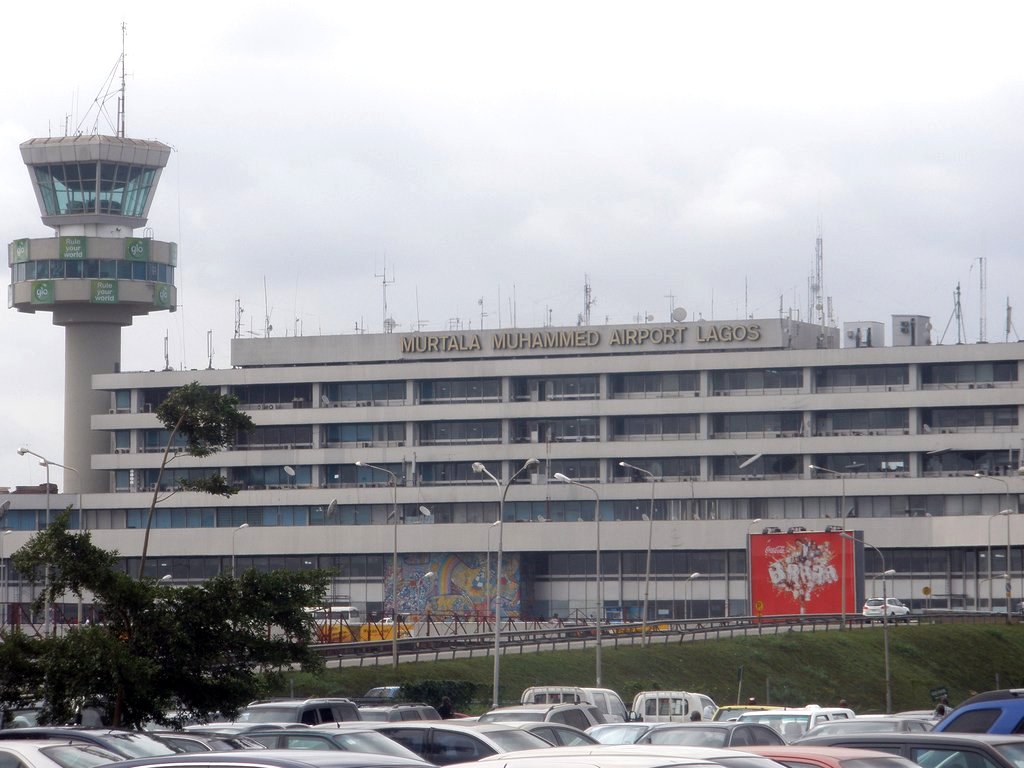
Lagos is grappling with a severe housing crisis as the city's population exceeds 20 million, yet only 31 percent of residents have access to adequate housing. The housing deficit stands at an estimated 3.4 million units, highlighting a growing gap between demand and supply. Rising rental prices have further exacerbated the situation, pushing many residents to the brink of financial instability.
The city's central business district has seen rents soar, making it increasingly difficult for middle-income families to afford housing. Experts attribute the crisis to rapid urbanization and insufficient government investment in housing infrastructure. Many residents are now forced to live in informal settlements or overcrowded conditions, raising concerns about long-term social and economic impacts.
Local authorities have acknowledged the challenge but emphasize the need for sustainable solutions. Some private developers are exploring affordable housing projects, though progress remains slow. The situation underscores the urgent need for policy reforms and increased funding to address the housing emergency in one of Africa's largest cities.