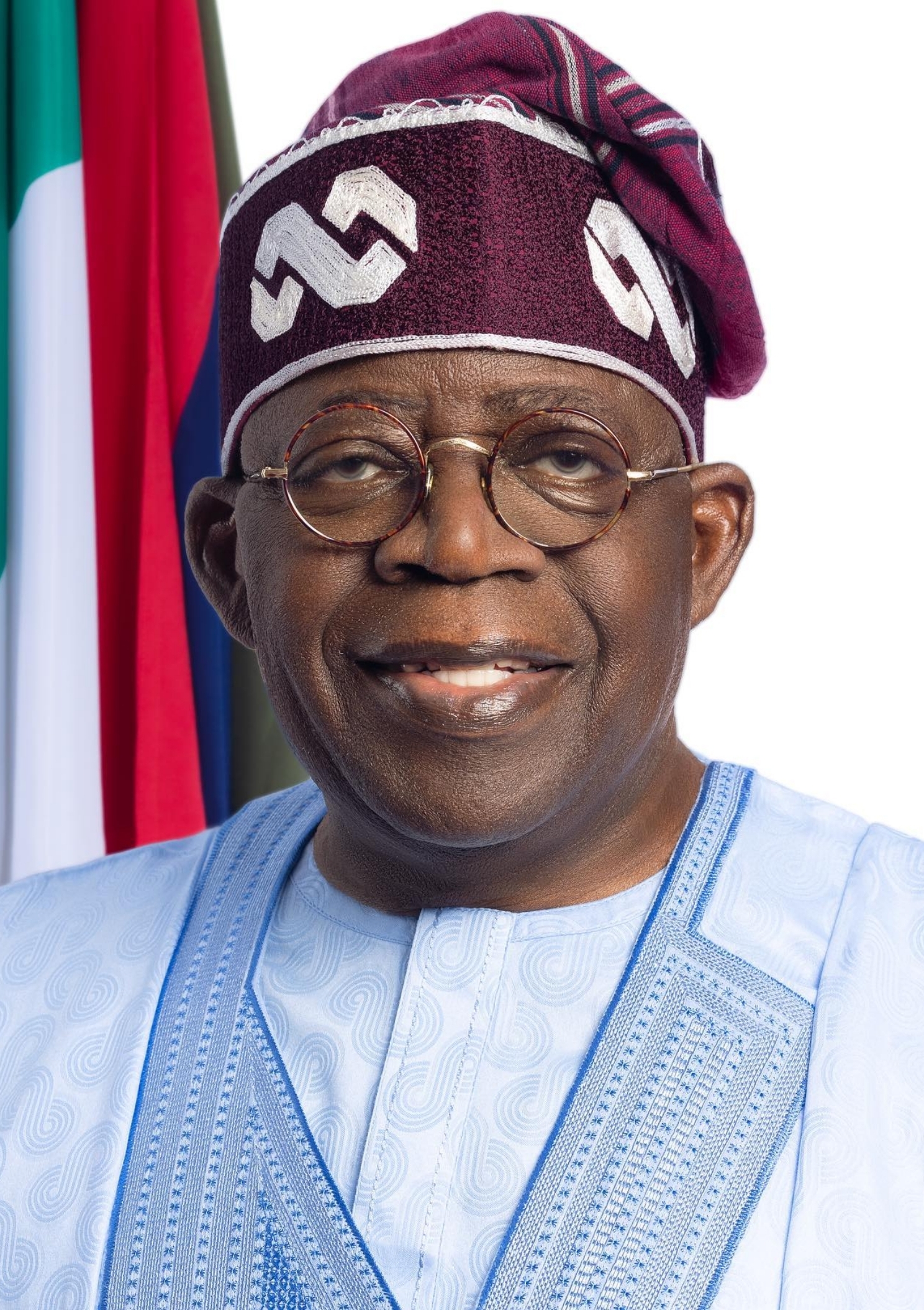
Bola Ahmed Tinubu faces increasing criticism from both political opponents and citizens over his economic policies. Opposition figures, including Atiku Abubakar, argue that the current administration has failed to address the financial struggles of ordinary Nigerians. Tinubu, who recently claimed to not understand the rejection of his policies, has been accused of imposing hardships that have led to widespread dissatisfaction.
The controversy centers on the impact of Tinubu’s economic decisions, particularly on the working class and students. A recent statement from the Leadership for Economic Empowerment and Development (LEFUND) highlighted that millions of families are still affected by the financial burden, despite efforts to introduce interest-free student loans. The initiative, while praised by some as a relief, has not been enough to ease the overall economic strain.
Political analysts note that the growing discontent reflects a broader challenge in managing public expectations during times of economic uncertainty. Tinubu’s administration has faced mounting pressure to deliver tangible improvements in living standards. Meanwhile, opposition leaders continue to challenge the government’s ability to make decisions that align with the needs of the majority.
The situation underscores the complexities of governance in a country where economic policies directly impact daily life. As the political landscape shifts, the focus remains on how leaders respond to the demands of a population struggling with financial hardship.