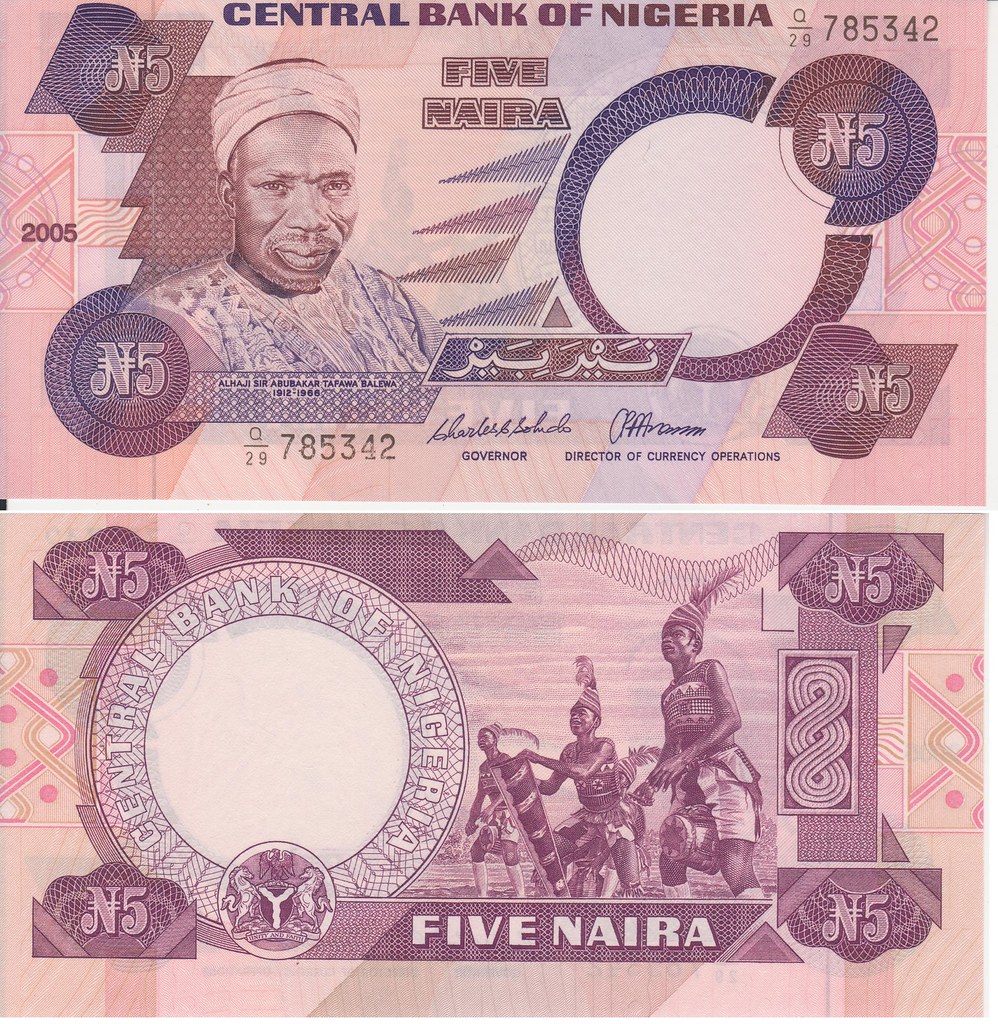
Nigeria's naira is facing growing instability as weak campaign finance oversight and rising political expenditure ahead of the 2027 general election threaten to undermine the currency's value. Reports indicate that political spending has surged in recent months, with candidates and parties allocating significant resources to campaign efforts. This trend is raising concerns among economists and financial analysts who warn that unchecked spending could lead to inflationary pressures and further devaluation of the naira.
The Nigerian Central Bank has expressed concern over the increasing financial risks associated with political campaigns. Officials have noted that the lack of strict enforcement of campaign finance laws has allowed for excessive spending, which could distort the electoral process and weaken public trust in the political system. Some experts suggest that the situation could mirror past cycles where high campaign spending led to economic strain and political instability.
Campaign finance oversight in Nigeria has long been a contentious issue. Despite existing regulations, enforcement has been inconsistent, allowing candidates to raise and spend large sums without adequate scrutiny. The 2027 election is seen as a critical moment for political reform, with many hoping for stronger oversight mechanisms to ensure fair and transparent elections. However, current trends suggest that the financial risks to the economy may continue to grow unless significant reforms are implemented.