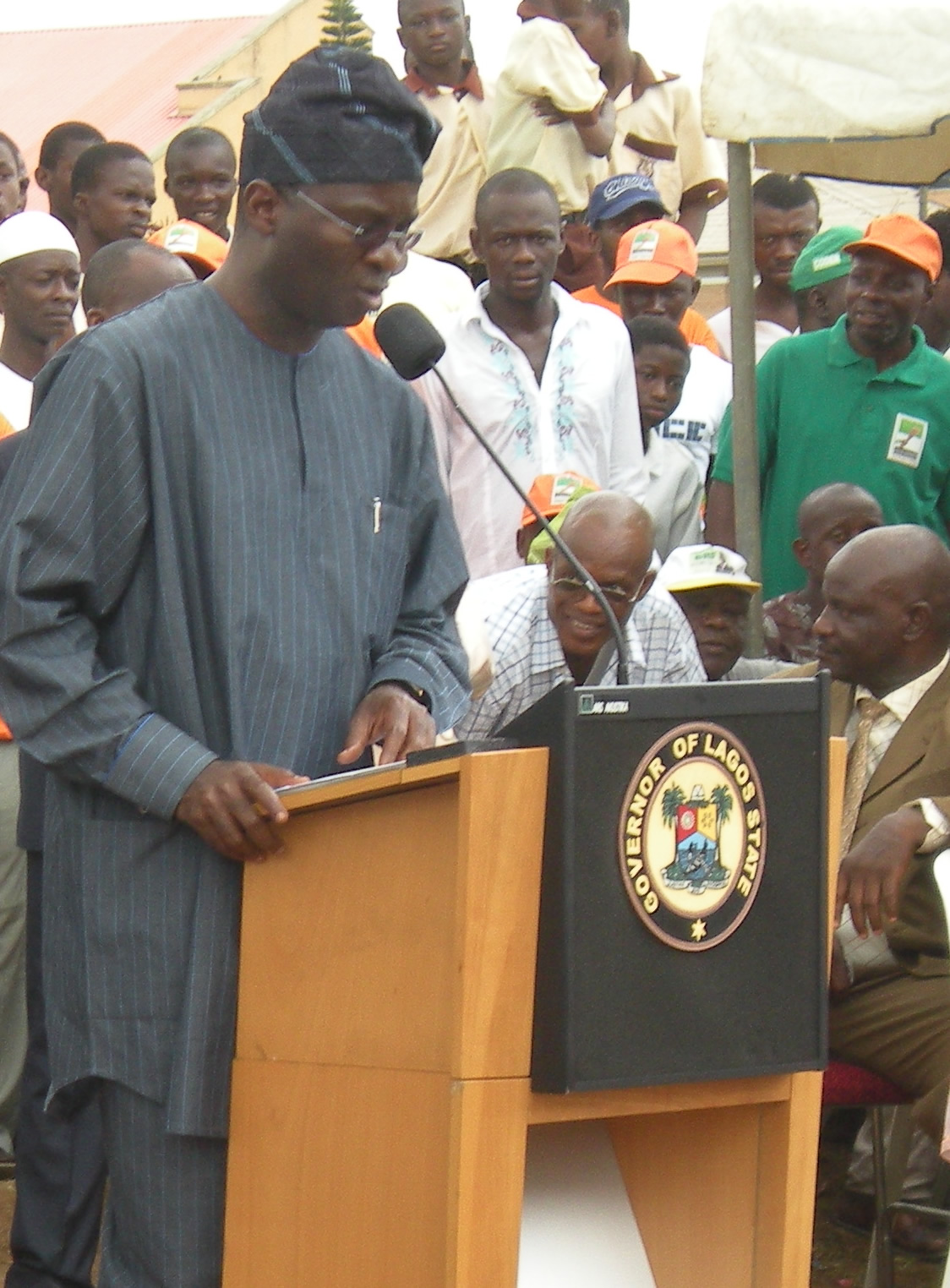
Former Nigerian minister Babatunde Fashola announced during a recent speech that his administration connected over 11 million new electricity users. The announcement was made at a policy forum in Lagos, where Fashola emphasized the role of state governments in sustaining power infrastructure development.
Fashola, who previously served as minister of power, stated that his ministry prioritized expanding access to electricity across Nigeria’s 36 states. He noted that the initiative focused on rural and underserved regions, with a particular emphasis on improving reliability and reducing outages. According to official records, the program was implemented between 2016 and 2022, during which time the national grid expanded significantly.
The policy was part of a broader government strategy to address chronic power shortages. Fashola acknowledged that while federal efforts were crucial, local governments played a key role in maintaining and scaling the infrastructure. He also called for continued investment in renewable energy sources to ensure long-term sustainability.
Nigeria has long struggled with inconsistent power supply, with many households and businesses relying on generators. Fashola’s tenure marked a shift toward more systematic grid expansion, though challenges remain in maintaining service quality. His remarks reflect ongoing discussions about how to balance national priorities with regional needs in the energy sector.